
Seasonal Sprinkler System Maintenance: A Year-Round Guide
A sprinkler system doesn’t simply need to be turned on in the spring and forgotten about until fall. Regular seasonal maintenance helps identify problems early, improve water distribution, and prepare the system for changing weather conditions.
For homeowners in the Midwest, where irrigation systems have to transition between hot summers and freezing winters, seasonal maintenance is especially important.
Here’s what to consider throughout the year.
Spring: Start Your System Carefully
After months of winter, your irrigation system should be inspected before regular watering begins.
A spring irrigation start-up should include:
- Inspecting the system for winter damage
- Checking for leaks
- Testing individual zones
- Inspecting sprinkler heads
- Checking water pressure
- Adjusting the irrigation controller
- Looking for uneven coverage
Weller Brothers provides spring irrigation start-ups that include system inspections, programming adjustments, sprinkler-head maintenance, and system testing.
Starting the season with an inspection can help identify problems before they affect the health of your lawn.

Summer: Monitor Performance
During the growing season, pay attention to how your irrigation system is performing.
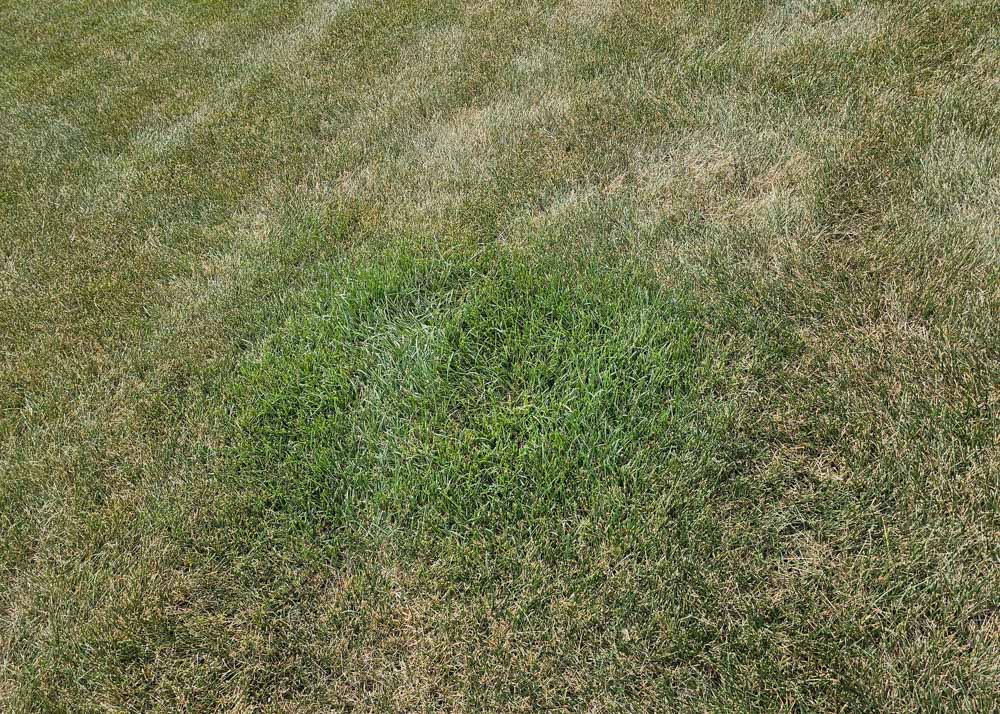
Look for dry spots, unusually wet areas, leaking sprinkler heads, or changes in water pressure that may indicate a need for irrigation repair.
Your irrigation schedule may also need to change as weather conditions change. Adjusting your system based on rainfall and landscape needs can also support water conservation.
A system that worked well in May may unnecessarily water the lawn during a rainy period in June or fail to provide enough water during a particularly hot stretch in July.
Fall: Prepare for Winter
As temperatures begin to fall, it’s time to prepare your irrigation system for winter.
The primary goal is to remove excess water from the system before freezing temperatures arrive.
Weller Brothers provides fall irrigation blowouts and winterization to help protect irrigation systems from freeze-related damage.
Scheduling this service before the first major freeze is an important part of protecting your irrigation investment.

Winter: Plan Ahead
Once the irrigation system has been properly winterized, it should remain shut down until conditions are appropriate for spring start-up.
Winter is also a good time to think about any irrigation improvements or repairs you may need before the next growing season.
If you noticed dry spots, broken sprinkler heads, leaks, or uneven coverage during the previous season, make a note of those problems so they can be addressed when the system is restarted.

Why Seasonal Maintenance Matters
Regular irrigation maintenance can help:
- Identify leaks sooner
- Improve water distribution
- Reduce water waste
- Protect irrigation components
- Support healthier lawns and landscapes
- Prevent small problems from becoming larger repairs
An irrigation system is an investment in your property. Seasonal maintenance helps protect that investment while keeping your lawn and landscape properly watered.
Irrigation Maintenance From Weller Brothers
Weller Brothers provides irrigation services including spring start-ups, system inspections, sprinkler repair, controller and valve repair, sprinkler-head maintenance, and fall winterization.
With service available in Sioux Falls, Des Moines, and surrounding areas, Weller Brothers can help keep your irrigation system operating throughout the growing season and properly prepared for winter.
Keep your sprinkler system running efficiently all season.
FAQ'S
When should I turn on my sprinkler system in spring?
Your irrigation system should be started after the risk of freezing temperatures has passed. A spring start-up should include inspecting the system for winter damage, checking for leaks, testing zones, inspecting sprinkler heads, checking water pressure, and adjusting the irrigation controller.
What is included in a sprinkler system inspection?
A sprinkler system inspection can include checking sprinkler heads, testing irrigation zones, looking for leaks, evaluating water pressure, checking system coverage, and inspecting the irrigation controller. A thorough inspection can help identify problems before they affect the lawn.
How often should sprinkler systems be serviced?
Sprinkler systems benefit from seasonal maintenance throughout the year. Spring start-up, summer monitoring and adjustments, and fall winterization help keep an irrigation system operating properly as weather and landscape conditions change.
What should I do to maintain my sprinkler system in summer?
During summer, monitor the system for dry spots, overly wet areas, leaks, damaged sprinkler heads, changes in water pressure, and other performance issues. Irrigation schedules may also need to be adjusted as rainfall and temperatures change.
When should I turn off my sprinkler system?
Your irrigation system should be shut down and winterized before sustained freezing temperatures arrive. In colder Midwest climates, homeowners should plan ahead for fall winterization rather than waiting until a major freeze.
Why is seasonal sprinkler maintenance important?
Seasonal maintenance can help identify leaks, improve water distribution, reduce water waste, protect irrigation components, support healthier lawns and landscapes, and prevent smaller problems from becoming more expensive repairs.
What should I do before winterizing my sprinkler system?
Before winterization, address any known irrigation problems and make note of issues such as broken sprinkler heads, leaks, dry areas, or uneven coverage. This allows repairs to be addressed as part of preparing the system for the next growing season.
Can irrigation maintenance improve water efficiency?
Yes. Maintaining sprinkler heads, valves, controllers, and other irrigation components can help ensure water is distributed where it is needed. Adjusting irrigation schedules as weather and landscape conditions change can also reduce unnecessary watering.