Five Questions to Ask Before Hiring a Commercial Snow Removal Company

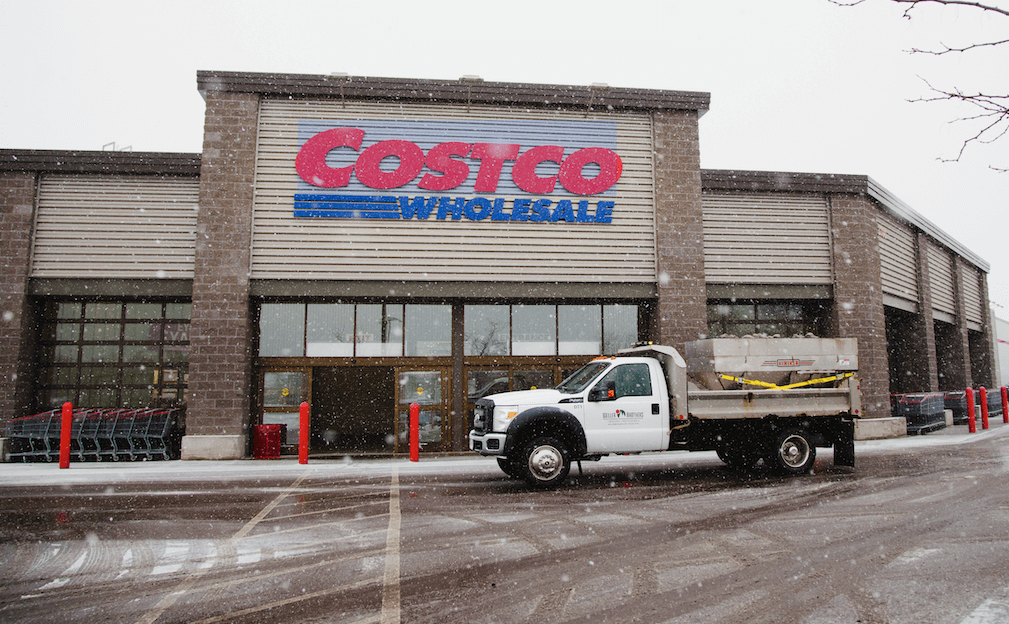
snow removal in large parking lot in sioux falls

Five Questions to Ask Before Hiring a Commercial Snow Removal Company

As the winter season approaches in Sioux Falls, SD, and Rochester, MN, business owners and property managers of expansive parking lots understand the importance of reliable snow removal services.

Snow and ice can pose significant challenges, affecting safety and accessibility for employees and customers.

When it comes to commercial snow removal for large properties, partnering with the right company is crucial.  Every business property is unique, and understanding the scope of the job will help you make an informed decision.

Let’s discuss five essential questions you should ask before hiring a snow removal company for your business.
1. What Equipment Do You Use?

One of the most critical aspects of commercial snow removal is the equipment used.

For large parking lots, you need a company with substantial machinery capable of efficiently clearing snow and ice.

Ask the prospective company about the types of equipment they have and whether they are well-maintained for optimal performance.

At Weller Brothers, our snow removal fleet includes:

  • skid loaders with articulating blades
  • payloaders
  • large push-boxes
  • trucks with v-plows
  • and, of course, the manpower to run it all!

In addition to having the necessary equipment for large snow removal properties, we also have a dedicated, on-site fleet mechanic, so our equipment is in good shape and fixed quickly when something goes wrong. That means no down-time for our customer.

2. Are You Experienced With Large Properties?

Experience matters when it comes to snow removal for large business properties.

Inquire about the company’s track record with similar-sized lots and their ability to handle large-scale snow removal efficiently. A seasoned company will have a better understanding of the unique challenges that come with larger areas.

For example, are the crews experienced and trained to handle large sites in an effective and time-efficient manner? Do they know how to clear snow quickly (before you open for business hours)? Will they keep your parking lot flow in mind as they pile large amounts of snow, in order to inconvenience customers as little as possible?

If you hire an experienced snow removal team, you may never even notice they were there (except for the snow being moved!)

3 What Is the Communication Protocol?

A well-thought-out snow removal plan is crucial for ensuring timely and effective service. Ask the company to outline its plan, including the frequency of visits, snow removal techniques, and their approach to ice management.

This will help you gauge their preparedness and reliability.

It’s important that you have these conversions before the first storm of the season so you are aware of the execution plan ahead of time and can communicate it with your team.

Should something come up during a storm, will you have one dedicated point of contact and a clear means of reaching them? Or, will you be stuck on hold with a busy office admin team? This during-storm communication protocol is just as important as the pre-storm communication.

At Weller Brothers, for example, you’ll have the contact information for your dedicated Account Manager, who you can call before, during, or after a storm.

4. Do You Provide 24/7 Emergency Services?

We all know that winter weather can be unpredictable in South Dakota and Minnesota. It’s essential to have a snow removal company that offers 24/7 emergency services to handle unexpected snowfall or ice accumulation outside of regular business hours.

Ensure that they can respond promptly to maintain safety and accessibility for your employees and customers.

At Weller Brothers, for example, we have a dedicated team of managers who watch the forecast closely in the days and hours leading up to potential snow. They communicate frequently with their crews via a group messaging app so that our snow removal employees are ready to respond and dispatch as soon as the snowfall begins in Rochester or Sioux Falls. These logistics take time and planning on our end, but our commercial snow-hauling customers appreciate the quick service.

5. What Are Your Pricing and Contract Terms?

Discuss commercial snow removal pricing and contract terms upfront to avoid surprises.

Ask about their billing structure, whether it’s based on per-visit or a seasonal contract. Clarify if there are any additional charges for emergency services or extra-deep snow removal.

Understanding the financial aspects will help your business budget effectively for winter snow removal.

Partner with Weller Brothers for Commercial Snow Removal
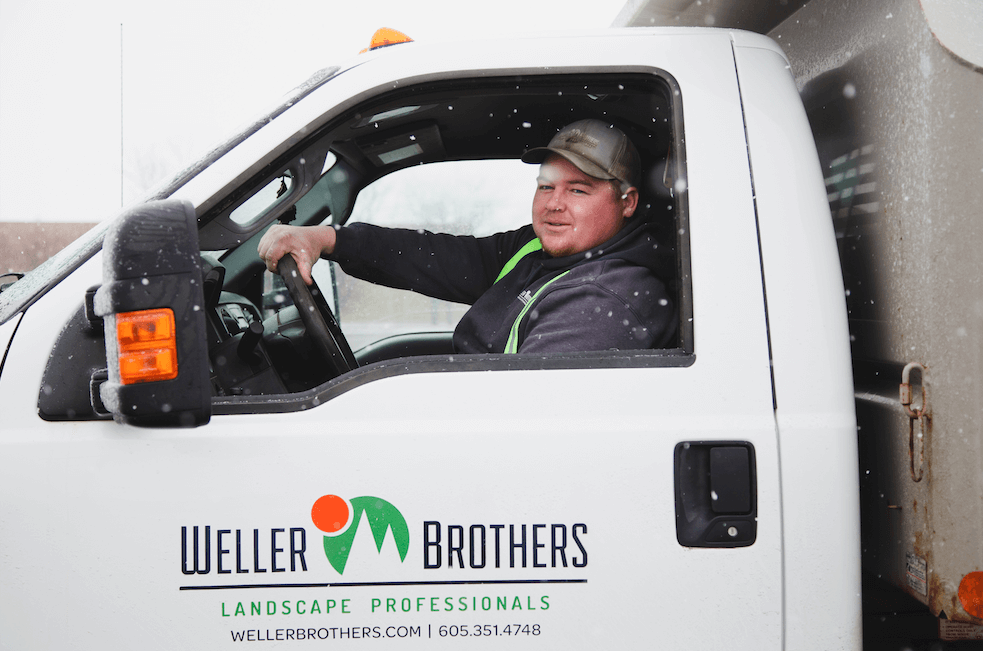
Selecting the right snow removal company for your business is a decision that directly impacts safety, accessibility, and peace of mind during the winter months. By asking these five essential questions and considering your specific needs, you can make an informed choice.
 
At Weller Brothers Landscaping, we specialize in providing top-notch snow removal services for businesses with large parking lots in Sioux Falls, SD, and Rochester, MN.

 
Our state-of-the-art equipment, experienced team, and comprehensive snow removal plans ensure your property remains safe and accessible throughout the winter.
 
Contact us today to discuss your commercial snow removal needs and get a customized solution that fits your requirements.
Weller Brothers Receives a National Award of Excellence

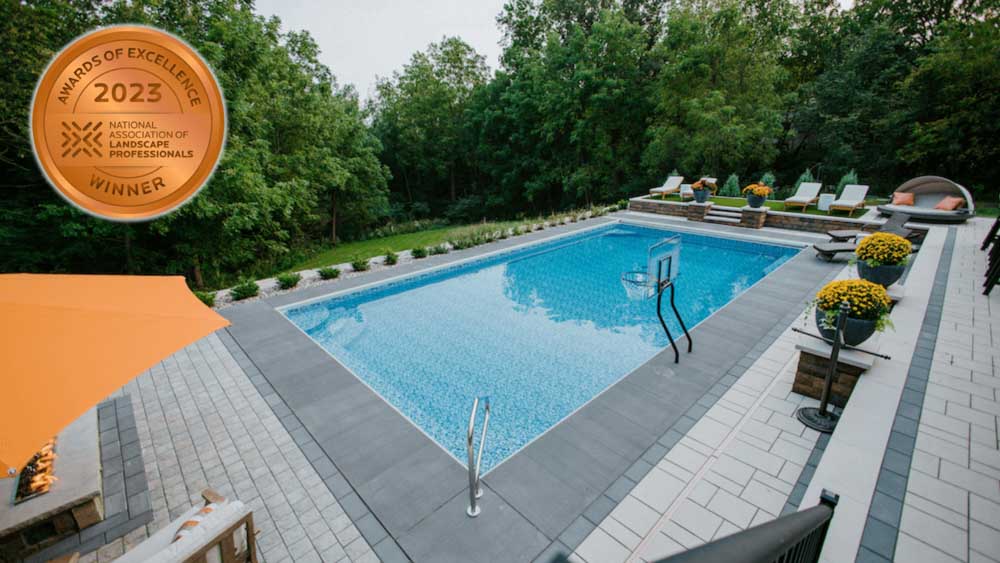
Award-Winning Pool and Patio in Rochester, MN

Weller Brothers Receives a National Award of Excellence

We are proud to announce we have been awarded an Award of Excellence – Bronze by the National Association of Landscape Professionals.

A Hillside Transformation

The awarded project in Rochester, MN, was designed by Matt Stadel.

For many years, this expansive backyard sported a large, outdated deck and unimpressive landscaping. The homeowners were ready for change, which included a pool and much more.

Given the slope of the yard and the area dedicated to the pool, the Weller Brothers team had a relatively small area to work within. Yet, the team cleverly fit all of the elements into this project that the homeowners were hoping for — a sunken hot tub, outdoor kitchen and pergola, fire pit, and lounging areas. 

See before and after photos, as well as a video tour of the project here.

“We met with Weller Brothers, and then three weeks later they came back with a plan. We were blown away. Every one of our items we wished for were on there; the design was incredible. After that initial discussion, we knew that this was the team we wanted to work with.”
loungers near a pool on a paver patio

About the NALP Excellence Awards

Each year, the National Association Landscape Professionals Awards of Excellence recognizes exceptional commercial and residential lawn care and landscape installation, maintenance, and design projects from around the nation.

This year, 194 awards were bestowed to companies for their outstanding work.

couple laughing by a fire pit

Take a Tour of the Winning Project in Rochester, MN

While you may not be able to jump into the pool or cook a meal on the Evo flat-top stove yourself, you can certainly take a virtual tour of this award-winning backyard in Rochester!

Then, once you’re feeling inspired, reach out to us to begin creating your outdoor living space in Rochester, Sioux Falls, or Des Moines. Who knows – maybe it will win our next award!

How to Properly Prune Your Trees

Shady backyard landscaping

How to Properly Prune Your Trees

Pruning your trees is an important part of maintaining the health and beauty of your Midwest landscape. Properly pruned trees can have stronger, more resilient branches and a more attractive overall shape. 

However, pruning can also be harmful if not done correctly, so it’s important to follow a few key steps to ensure that your trees are pruned properly.

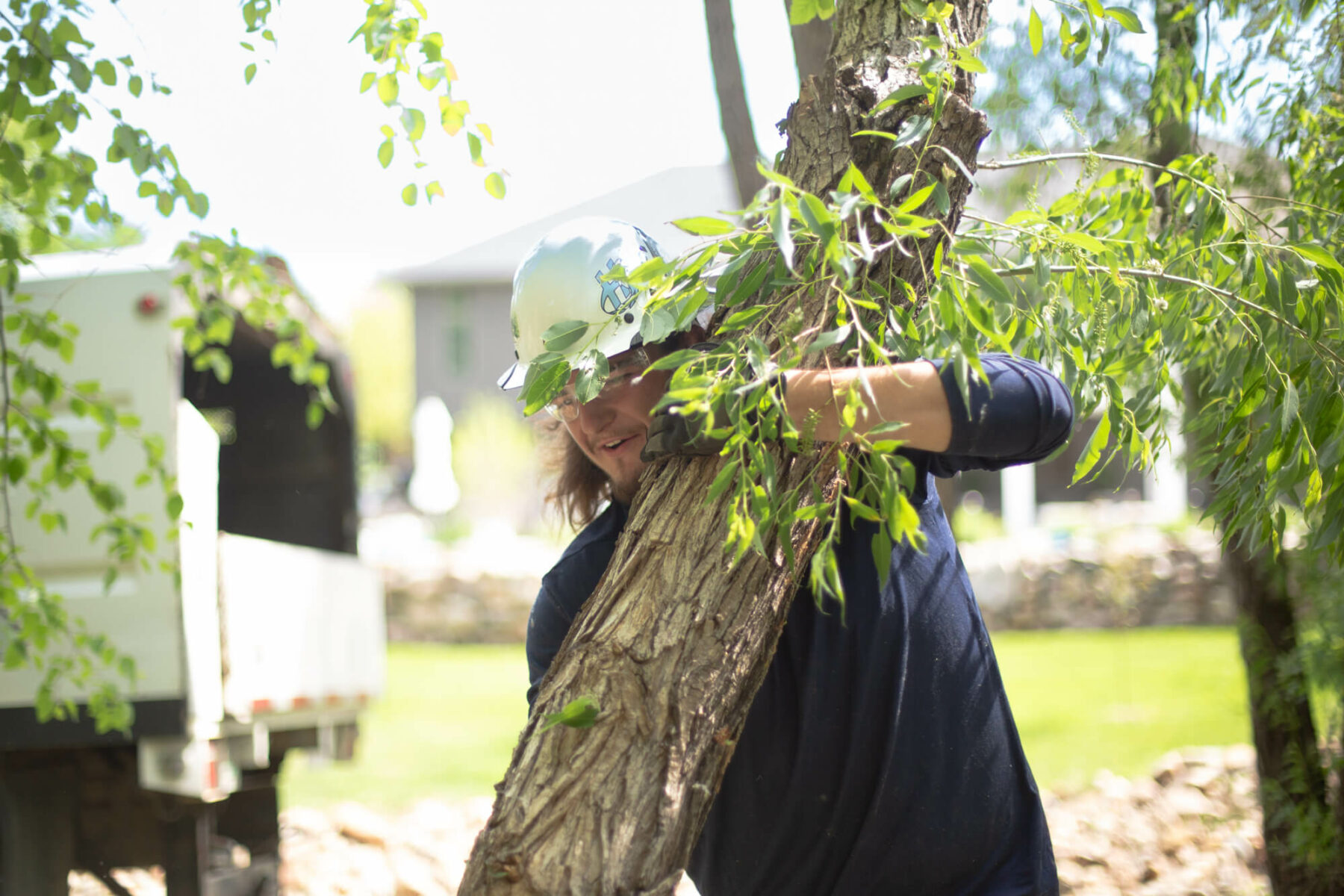
licensed tree worker carrying a large branch

Why You Should Have Your Trees Pruned

First, it’s important to understand why you should prune your trees. Pruning helps to remove dead or damaged branches, which can prevent the spread of disease and insects. It can also help to shape the tree, directing its growth in a way that is more aesthetically pleasing.

Additionally, pruning can help to improve the tree’s overall health and vigor.

Failure to prune can also pose a safety risk. In the city of Sioux Falls, for example, homeowners often receive letters regarding Project T.RI.M. This is a proactive tree inspection program to address low-hanging tree branches over streets and sidewalks. It is the responsibility of the property owner to maintain safe walkways for pedestrians.

Doing It Yourself? Consider The Risks.

We certainly recommend that you hire a certified and licensed arborist to perform your tree pruning. However, if you decide to do it yourself, please only do so for lightweight branches that you can safely reach from the ground.

We all like to save a buck, but let’s be smart. Only certified arborists should prune branches that:

  • Require any climbing to reach
  • Are large or heavy
  • Hang near or over property like a rooftop or cars
  • Might be diseased or infected

Also, a professional is insured should any damages occur. A branch may fall on your roof, and wouldn’t it be better to have them foot that bill? Or, what if you injure yourself while attempting to prune your trees, ending up with an urgent care cost?

By choosing a professional like Weller Brothers, you can have peace of mind knowing we are insured and will also carry out a risk assessment before working on your trees.

Now, do you simply have lightweight branches hanging over your sidewalk that need to be cut back? Okay, you can probably handle that.

Let’s talk about how to do it properly.

How to Prune Your Trees

Before you begin pruning, it’s important to inspect the tree carefully. Look for any dead or damaged branches, as well as any branches that are crossing or rubbing against each other. These are the branches that should be removed first.

When pruning:

  • Use a pair of pruning shears, loppers, or a saw, depending on the size of the branch you’re cutting.
  • Make clean, sharp cuts.
  • Cut just above a bud or lateral branch to encourage new growth.
  • Avoid leaving stubs, as these can lead to disease and decay.

Key Considerations When Pruning

It’s also important to prune trees at the right time of year. 

In general, it’s best to prune trees while they are dormant, in the late winter or early spring. This allows the tree to focus its energy on healing and new growth once it wakes up from its winter dormancy. 

However, there are some exceptions to this rule. For example, if you need to remove a branch that is diseased or infested with insects, it’s better to do it as soon as possible to prevent the spread of the problem.

When pruning, it’s also important to consider the overall shape and structure of the tree. Don’t be too aggressive with your pruning, as this can damage the tree and interfere with its natural growth patterns. Instead, try to prune in a way that enhances the tree’s natural shape and form.

Need Tree Pruning in Sioux Falls?

sioux falls tree removal team wearing hard hats

Overall, pruning your trees can be a rewarding experience that helps to keep your landscape healthy and beautiful. By following these simple guidelines, you can help to ensure that your trees are properly pruned and well-maintained.

If you have more important things to do with your time than giving your trees the TLC they need, sit back and contact the professionals.

Our experienced tree and horticulture teams in Sioux Falls, SD are happy to perform your tree pruning – or even removal, if needed. We have licensed arborists and are ready to help.

Note – tree health and removal services are only available at our Sioux Falls, SD, location.

Five Steps to Prep Your Yard for Winter

Lawn care employees removing leaves from front porch

Five Steps to Prep Your Yard for Winter

The Midwest winter cold can be a huge shock to your yard, garden, and landscaping. It’s important to prep your yard before the cold sets in so that your turf,  plants, and flowers are ready to bloom again in the spring. 

Here are five things you can do as part of your landscaping fall clean-up routine.

1. Clean Your Pots and Containers

flower planter in front of backyard pool

This is a good time to gather all of your seasonal flower pots and clean them so they are ready for next spring. 

Remove all plant material from the pot. If the soil has become root-bound, remove this as well.  Removing the plant debris reduces the possibility of diseases being carried over to next season’s plants.

Clean your pots and bring them inside for the winter to reduce the risk of damage.

2. Cut Back Your Flower and Garden Beds

Cutting back your annuals, perennials, and shrubs will keep your beds looking tidy throughout the winter, while also setting them up for a successful bloom next year.

Annuals and Vegetables

As part of your fall cleanup, remove all of your annuals from pots and garden beds and till the soil, if applicable. If you have organic material like leaves and grass clippings, add these to the soil to help build nutrients. 

Note that it’s important to completely remove your vegetable debris (vine crops, tomato vines, etc.) from the garden as they can harbor disease and insects.

Perennials and Shrubs

Each type of perennial is different, but most should be cut back ahead of the winter frost.

  • Ornamental grass: Leave this 3”-4” tall if you choose to cut it back. Some people like to leave them for winter interest during the winter season; they provide a nice look with fresh snowfall.
  • Herbaceous perennials: Cut back about 1” above the ground.
  • Hydrangeas: Pruning techniques depend on the type of hydrangea. Some types can be cut back to the ground, leaving about 4-6.” Other types need light to moderate pruning,  to keep them in shape. There is no harm in choosing to leave these for spring pruning, as they provide winter interest.
  • Dogwoods: This is a very hardy shrub and can be pruned back 50%, removing any dead material.
  • Spireas: Cut them back to about the size of a beach ball.
  • Roses: Don’t do anything until spring. If needed, minimal pruning/shaping can be done in the fall if the rose(s) have become too large or are unsightly. Then, use a hand pruner to remove any dead canes so the roses have a neat, healthy appearance. 

3. Seed and Aeration Your Lawn

aeration plugs in someone's hand

If you want your lawn to be fuller and healthier in the spring, you should seed and aerate it in the fall.

Overseeding

You can purchase or rent an overseeder machine from a local hardware store. This machine has rotating blades that leave a groove in the ground, into which it deposits the grass seed. Confirm that the grass seed you purchase is right for the light conditions of the area (sunny vs. shady). You can then use this machine to plant the new seed in any thin spots of your lawn. 

The benefits of overseeding include:

  • Fills in bare or thin areas damaged by diseases, heat, water deficit, insects, pets, and foot and equipment traffic. It also increases the density of existing turf.
  • Reduce Risk of Pests & Disease: Overseeding will introduce new cultivars of grass seed that are more tolerant to pests and diseases.
  • Reduces weeds: Creating a lush, dense turf, is the best defense against weeds. 
  • Improves Appearance: Seed germination occurs in 7-10 days.
  • Reduce Erosion: Grasses have fibrous, dense root systems that do an exceptional job of holding soil in place.   
  •  Increases Thickness/Density: Turf becomes more durable, withstanding foot traffic and play, as well as holding up to natural weathering and environmental stress.
  • Reduces Chemicals: Maintaining a healthy, robust turf can reduce the chemical applications needed.  

Before beginning the work, check the yard for any objects that can be thrown by the blades/machine. Rocks are a common hazard.

As an alternative to renting an overseeder, you can hire a professional like Weller Brothers Landscaping to take care of this. We have all of the equipment needed and use professional, high-quality seed mixes/blends.

After planting the grass seed, do nothing. You don’t want the seed to germinate until the spring because cold winter conditions could injure or possibly kill the young tender shoots  The winter snow will help with insulation and soil moisture once spring does arrive, reducing the need to water the area as frequently.

You can put down an erosion control blanket to help protect the area until the seed germinates in the spring. This will naturally biodegrade into the ground over time. 

Lastly, when mowing your new turf for the first couple of mowings, be sure to bag or rake the clippings. Removing the clippings prevents the clipping from collecting on the turf canopy and killing or injuring the young turf.

Aeration and Fertilizer

Have you ever noticed clumps of dirt on a beautifully green lawn? That’s the process of aeration.

There are many benefits to aerating your lawn before the winter:

  • Improved air exchange between soil and atmosphere
  • Enhanced soil water uptake
  • Improved fertilizer uptake and use
  • Reduced water runoff and puddling
  • Stronger and healthier turfgrass roots
  • Reduced soil compaction
  • Enhanced heat and drought stress tolerance
  • Improved resiliency and cushioning
  • Enhanced thatch breakdown

To aerate your lawn, you can rent a machine or hire a professional.

In addition to aerations, a fall fertilizer application is very beneficial. If you chose to do both, apply the fertilizer first and then aerate your lawn. When applying a fall fertilizer, be sure to select a product that is low in nitrogen. Typical fertilizer bags will specifically say “fall” or “step four” on them.

4. Remove the Leaves

man blowing leaves from a flower bed

This is one of the most important things to do in order to keep your lawn healthy come spring. Removing the leaves prevents disease and insects from damaging your turf in early spring.

After the kids have enjoyed jumping in the leaf piles all autumn, you need to remove the fall leaves from your yard to avoid having dead spots in the grass next spring.

It’s way easier to do this in the fall than to deal with gross, matted leaves in the spring — trust us!

You can also mulch your leaves. This will require several passes with the mower in order to mulch all the leaves into tiny pieces.

5. Winterize Your Irrigation System

The last thing you should do as part of your lawn’s fall clean-up routine is to have your irrigation system winterized.

For this, hire a professional to blow out the irrigation system with an air compressor. This process removes any of the remaining water in your irrigation system so that it doesn’t freeze in the winter. If you skip this important step, it is possible that any remaining water in the irrigation system may cause damage to the irrigation system components, potentially causing a pipe to burst and creating water damage in your house.

Yikes.

Bonus tip: Don’t forget to remove the garden hose from your water spigot before the winter freeze!

Sound Like A Lot? Call the Professionals

At Weller Brothers, our team of landscape professionals does this kind of work day-in and day-out, all year long in the Midwest.

We know how to prepare your yard for each season ahead so that you can have the healthiest, most beautiful lawn on the block.

Want us to take care of prepping your yard for winter? Contact us today.

Four Types of Patios to Consider For Your Home

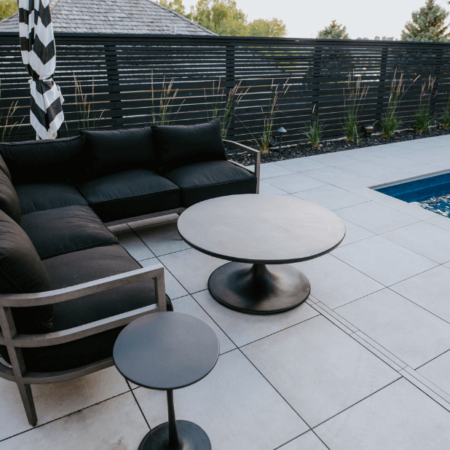
outdoor dining area with porcelain tiles
arrow_back Back to Landscape Design

Four Types of Patios to consider for your home

Comparing patio materials for your home? A patio is a common addition to any Midwest backyard, providing a sturdy and attractive surface for outdoor entertaining, relaxing, and enjoying your outdoor space throughout much of the year. This guide explains the cost, durability, maintenance, and best uses of concrete, pavers, outdoor tile, and natural stone patios in Sioux Falls, Rochester, and Des Moines.

With so many patio materials, styles, and design options available, choosing the right patio for your home can feel overwhelming. Choosing the best patio material for your home depends on how you plan to use the space, your desired aesthetic, maintenance preferences, and budget.

During your initial consultation with one of our landscape designers, you’ll discuss your goals and vision to determine which patio type is the best fit for your outdoor living space.

Common patio options include:

  • Paver patios
  • Tile patios
  • Concrete patios
  • Natural stone patios

Let’s explore these patio options to help you decide which one is right for your outdoor space.

How to Choose the Best Patio Material

Before selecting a patio material, consider how you want to use your outdoor space and what features matter most to you.

Ask yourself:

How will you use the space?

A patio designed for entertaining large groups may require a different material than a small backyard relaxation area. Consider whether your patio will include outdoor dining, a fire pit, a pool area, an outdoor kitchen, or a space for children and pets.

How much maintenance are you comfortable with?

Some patio materials require more upkeep than others. Consider whether you prefer a low-maintenance option or are willing to spend more time maintaining your outdoor space.

What style fits your home?

Do you prefer clean, modern lines or a more natural, organic look? Your patio material should complement your home’s architecture and your overall landscape design.

What is your budget?

Patio costs vary based on materials, project size, site preparation, and additional features. Understanding your investment range can help narrow down your options.

Paver and Tile Patios

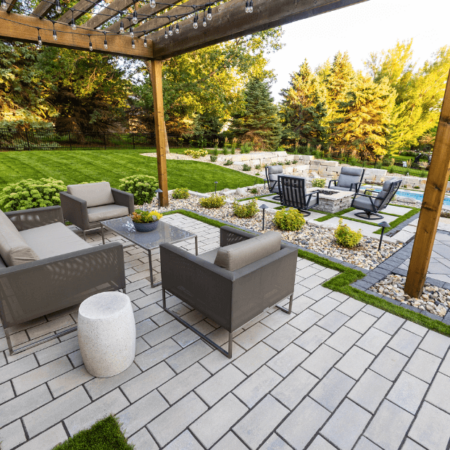
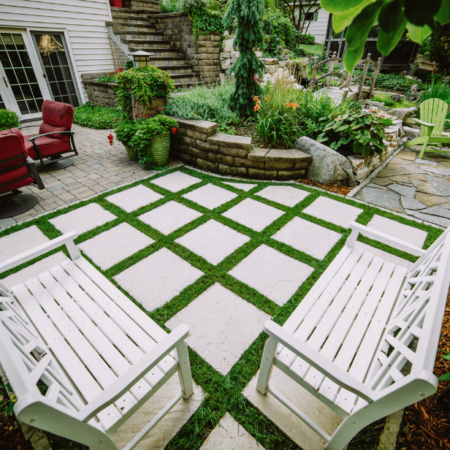
beautiful outdoor patio work by Weller Brothers Landscaping

Paver Patio Cost, Durability, and Maintenance

Homeowners in Sioux Falls, Rochester, and Des Moines often opt for paver patios because there are a variety of styles, sizes, colors, and patterns to choose from, allowing them to create nearly any look they’d like.

Pavers also offer excellent longevity. If one paver cracks or becomes damaged, you can replace the individual piece rather than replacing the entire patio.

Types of Pavers

Our landscape design team sources patio pavers from trusted manufacturers, includng Techo-Bloc, Belgard, or Unilock.

Each brand offers high-quality pavers but specializes in different styles, finishes, colors, and textures. The right selection depends on the overall look you want to achieve for your outdoor space.

Sometimes, we even install pavers from multiple brands within the same design to create contrasting textures, colors, and visual interest.

Typical Cost of Pavers

The cost of a paver patio depends on the brand, style, size, and complexity of the installation. Generally speaking, paver patios range from $25 to $35 per square foot.

Paver patios are a popular choice for homeowners seeking a durable, customizable outdoor space that can be designed to suit nearly any style.

Scroll through the images below to see examples of paver patios installed by Weller Brothers Landscaping.

Outdoor Tile Patio Pros and Cons

Tile patios offer a smooth, polished appearance and can create a high-end look for outdoor living spaces.

Similar to pavers, individual tiles can be replaced if needed. However, tile patios are typically a more substantial investment and are often chosen by homeowners seeking a unique design feature or a luxurious outdoor experience.

We can source tiles from a variety of locations, but many customers choose specialty materials themselves. We have even worked with homeowners who sourced porcelain tiles from Italy for their outdoor spaces.

Tile patios can add a true wow factor when incorporated into a thoughtfully designed landscape.

Scroll through the images below to see examples of tile patios installed by Weller Brothers Landscaping.

Concreate Patio Cost and Maintenance

A concrete patio is one of the most cost-effective patio options and can still create a beautiful outdoor living space.

Some homeowners prefer a smooth concrete slab around a pool or seating area, while others choose stamped concrete to add texture and visual interest. For pool areas, safety is an important consideration, and factors like surface finish, drainage, and slip resistance should be evaluated when selecting the right concrete option.

One consideration with concrete is that cracks or settling can become more noticeable over time. While concrete may have a lower upfront cost, repairs may require replacing a larger section of the patio rather than an individual piece.

Typical Cost of Concrete Patios

Concrete patio costs vary depending on the finish and design. A typical range includes:

  • Plain, brushed concrete: approximately $10 per square foot
  • Stamped concrete: approximately $20-$25 per square foot

Concrete can be a great option for homeowners looking for a budget-friendly patio solution with a clean, simple appearance.

The images below are examples of concrete patios installed by Weller Brothers Landscaping.

Flagstone and Natural Stone Patio Pros and Cons

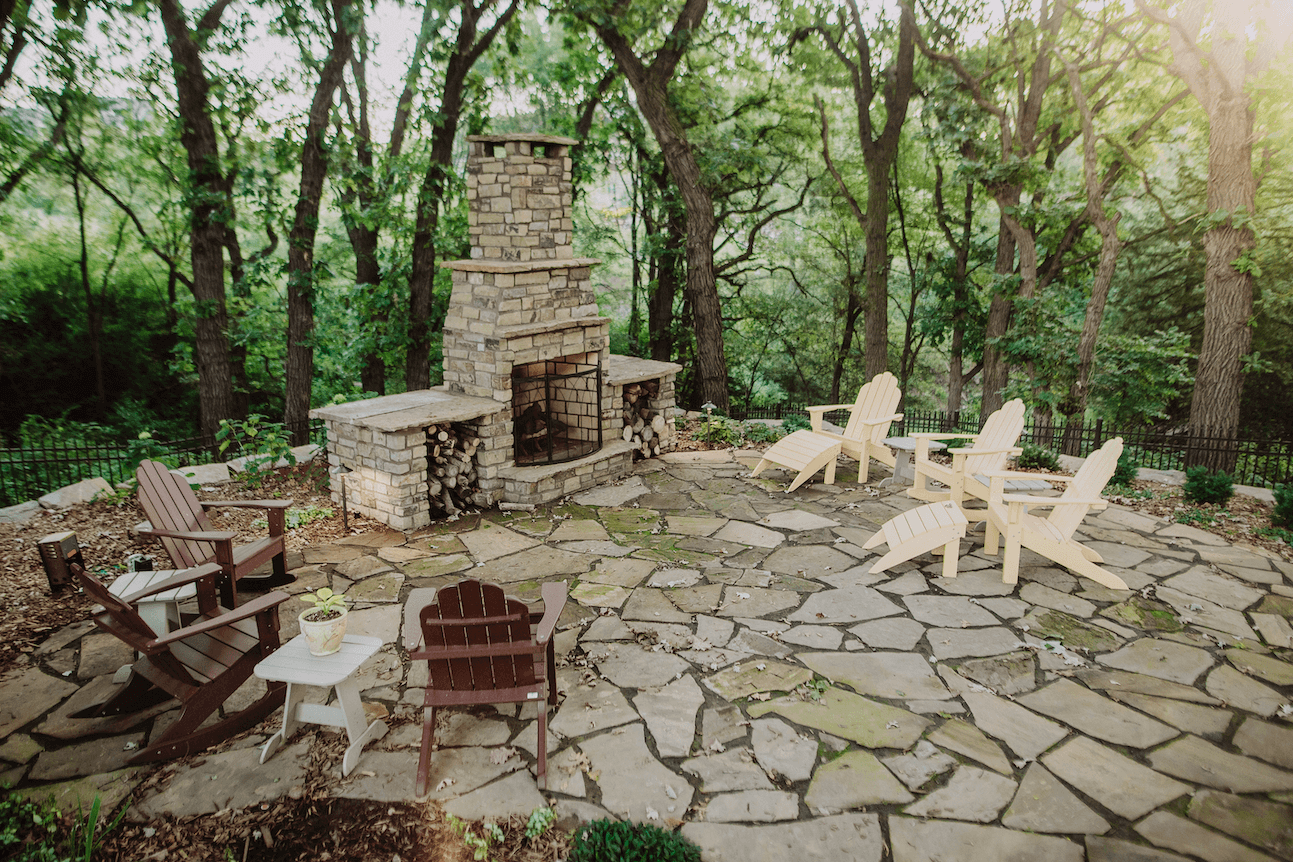
Flagstone is a common type of natural stone used for patios as it offers an organic, timeless look that adds texture and character to an outdoor space.

Natural stone is a popular choice for homeowners who want a more natural appearance that blends seamlessly with surrounding landscaping.

However, natural stone may not be ideal for every application. Because of its uneven surface, it may be less suitable for high-traffic areas, pool surroundings, or spaces that need frequent snow removal.

Many homeowners use natural stone as an accent feature or combine it with other patio materials to create a unique design.

Typical Cost of Natural Stone

Natural stone patios typically cost about the same as high-end pavers or may require a larger investment.

A typical range is $25-$45 per square foot.

natural stone patio area with large custom fireplace

Patio Material Comparison Guide

Choosing the best patio material comes down to your budget, design preferences, maintenance expectations, and how you plan to use your space. Use the comparison guide below to see how concrete, pavers, natural stone, and tile compare.

Typical Installed Cost Range

$10/sq. ft. for plain concrete; $20-$25/sq. ft. for stamped concrete

Durability

Durable when properly installed, but the continuous slab may crack, settle, or show freeze-thaw damage over time. Repairs can be more visible and extensive than with individual pavers.

Maintenance

Low to moderate. Sweep and wash as needed; promptly remove stains and inspect cracks and joints. Sealing may be recommended for some finishes and exposure conditions.

Best For

Budget-conscious homeowners

Typical Installed Cost Range

$25-$35/sq. ft.

Durability

Highly durable when installed over a properly prepared base. Individual pavers can be reset or replaced if they crack, settle, or become damaged.

Maintenance

Low to moderate. Sweep or rinse regularly, control weeds, and replenish joint sand when it becomes low. Sealing is optional for most conventional pavers and typically requires periodic reapplication.

Best For

Custom outdoor spaces and long-term durability

Typical Installed Cost Range

$25-$45/sq. ft.

Durability

Highly durable, although performance varies by stone type, thickness, installation, drainage, and freeze-thaw exposure. Individual stones can usually be reset or replaced.

Maintenance

Moderate. Sweep and clean with products appropriate for the specific stone; maintain joints and address loose or uneven stones. Whether sealing is appropriate depends on the stone and application.

Best For

Premium, natural outdoor designs

Typical Installed Cost Range

Higher investment than pavers; pricing varies based on tile type and installation

Durability

Durable when properly installed, with individual tiles able to be replaced if damaged. Performance depends on the tile material, installation, and exposure to Midwest freeze-thaw conditions.

Maintenance

Low to moderate. Sweep and clean regularly, keep joints maintained, and replace damaged tiles as needed. Maintenance requirements can vary based on the type of tile used.

Best For

High-end outdoor spaces and polished, modern designs

Planning ranges shown reflect typical Weller Brothers projects as of August, 2026. Actual pricing varies by market, site preparation, access, drainage, material selection, design complexity, and project size.

Not sure which patio material is right for you? Talk with our landscape design experts. 

Patio Design Considerations

A patio is more than just a surface. The right design can transform your backyard into a complete outdoor living space.

When planning your patio, consider incorporating features such as:

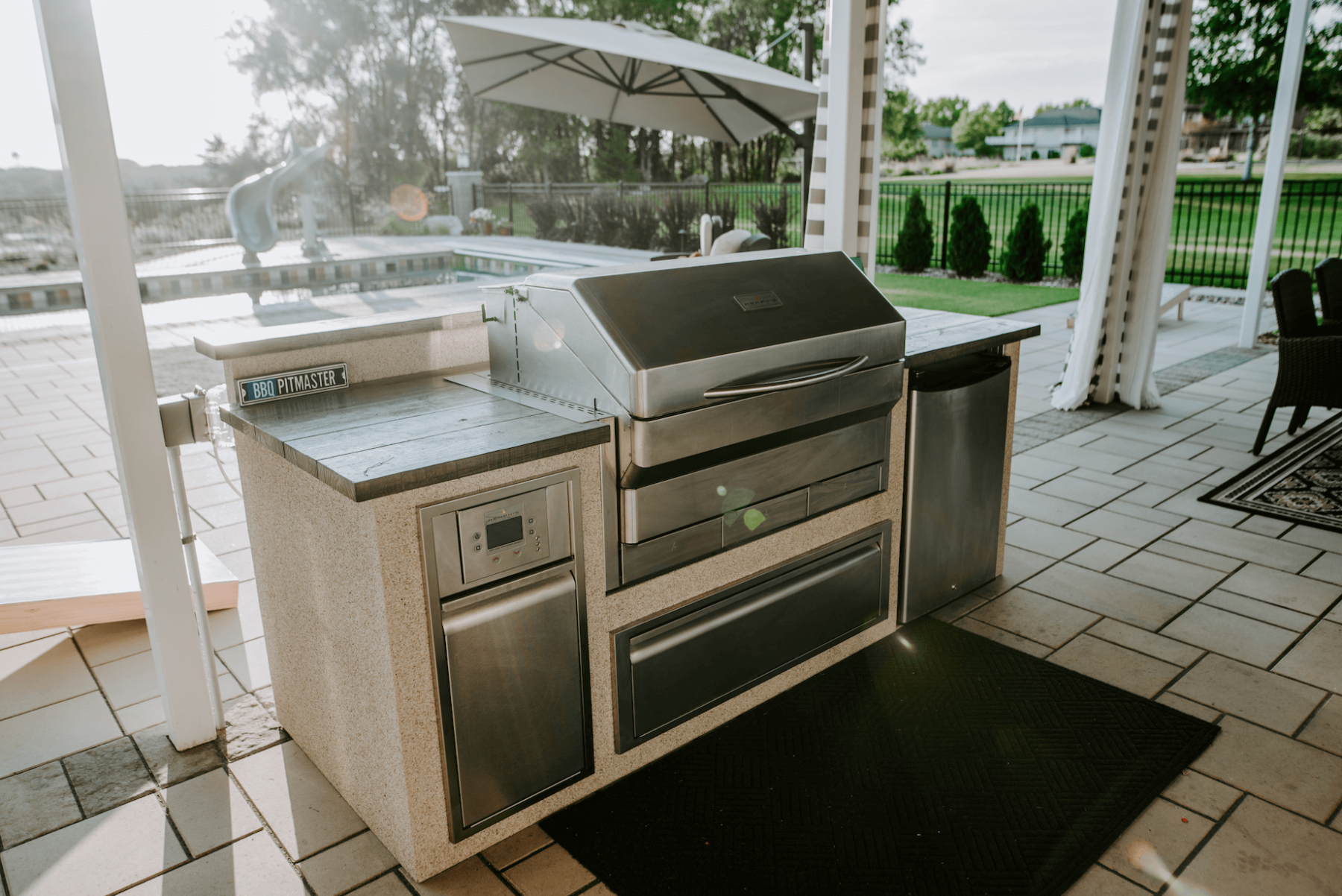
Outdoor kitchen landscaping
Outdoor Kitchens
custom masonry outdoor fireplace
Fire Pits and Fireplaces
detail shot of a boulder retaining wall
Retaining Walls
Lighted Pathway, Weller Brothers Landscaping
Landscape Lighting
outdoor pergola and patio
Pergolas and Structures
Raised patio Planter with Flowers, Weller Brothers Landscaping
Built-In Planters

A landscape designer can help you create a patio layout that fits your lifestyle while complementing your home and existing landscape.

How Much Does a Patio Cost?

The cost of a patio depends on several factors, including:

  • Patio size
  • Material selection
  • Site preparation requirements
  • Grading and drainage needs
  • Additional outdoor living features
  • Complexity of the design

While material costs can help estimate your investment, every property is unique.

We have a handy budget guide to help guide your landscape design decision-making. View our landscape design budget guide.

How Long Does Patio Installation Take?

The timeline for patio installation depends on the size, materials, and complexity of your project.

A typical patio project may include:

  1. Initial consultation and design planning
  2. Material selection
  3. Site preparation
  4. Patio installation
  5. Final landscaping touches

Why Professional Patio Installation Matters

No matter which patio material you choose, proper installation is key to creating a durable outdoor space.

A professionally installed patio can provide years of enjoyment while helping prevent issues like uneven surfaces, drainage problems, and premature damage.

Our team holds certification from the Interlocking Concrete Pavement Institute, meaning we install patio pavers to the highest industry standards.

Visit our patio design gallery to see examples of patios we have installed throughout South Dakota, Iowa, and Minnesota.

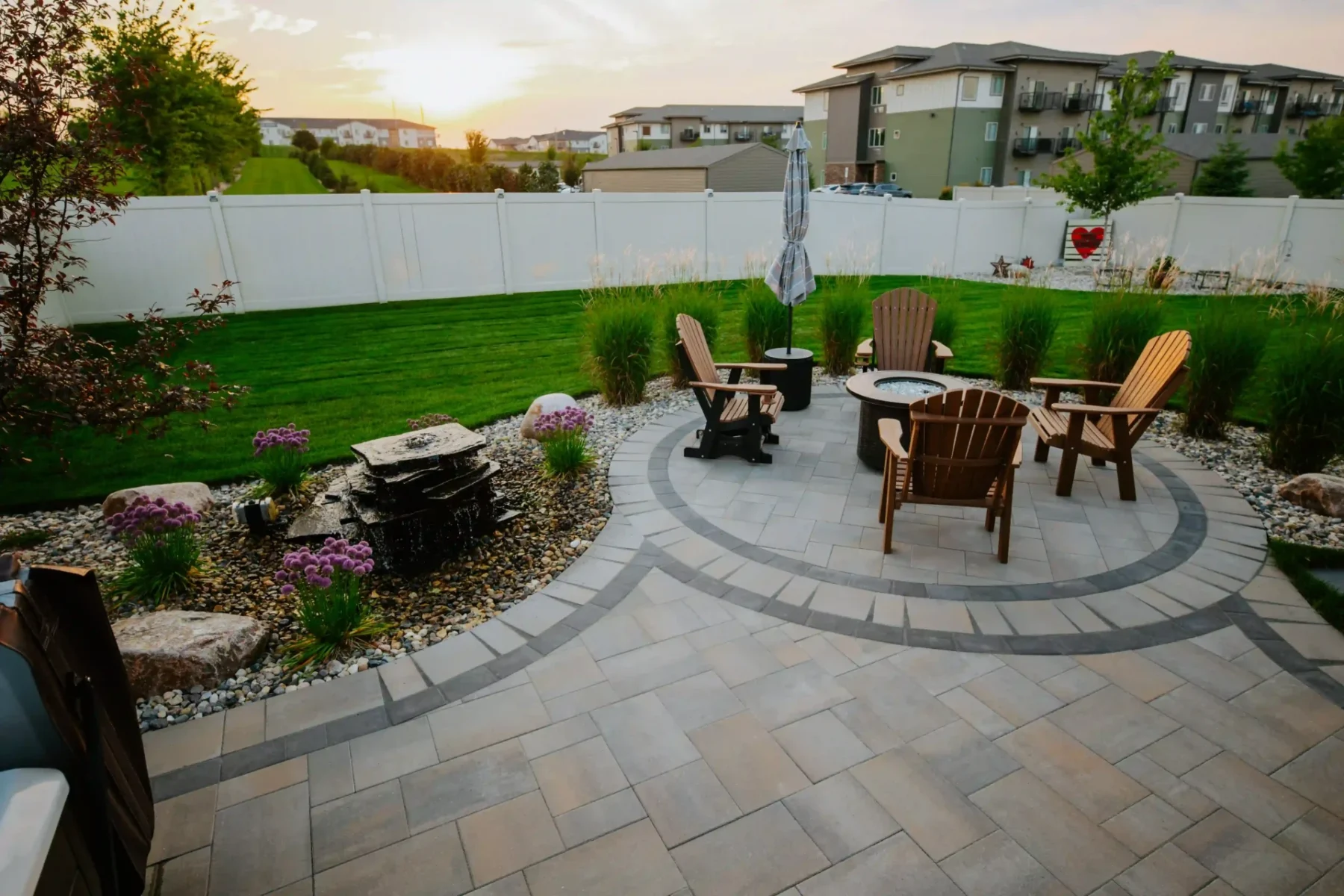
backyard designed patio with pavers and tile, firepit, and plantings

Frequently Asked Questions About Patios

What is the most popular patio material?

The most popular patio material depends on the homeowner’s goals, budget, and desired style. Pavers are a popular choice because they offer flexibility, durability, and a wide range of design options.

How much does a patio cost?

Patio costs vary depending on the material, size, design complexity, and additional features. Concrete may be a lower-cost option, while pavers and natural stone typically require a larger investment.

How long does a patio last?

The lifespan of a patio depends on the material selected and the quality of installation. Properly installed patios can provide many years of enjoyment.

What is the easiest patio material to maintain?

Maintenance requirements vary by material. Pavers are easier to repair because individual pieces can be replaced, whereas concrete repairs may require addressing larger sections.

Are pavers better than concrete?

Both materials have advantages. Pavers offer more customization and easier repairs, while concrete may provide a lower upfront investment.

How long does patio installation take?

Installation timelines vary depending on project size, materials, and site conditions. Your landscape designer can provide a more accurate timeline during your consultation.

Do I need a professional patio design?

Professional design can help ensure your patio fits your space, lifestyle, and long-term goals while avoiding common planning issues.

Create Your Perfect Outdoor Living Space

Whether you’re looking for a simple patio upgrade or a complete outdoor living transformation, Weller Brothers can help bring your vision to life.

Our landscape designers will work with you to create a patio that fits your home, lifestyle, and budget.

Material availability, suitability, and installed costs may vary based on location, project requirements, and site conditions in Sioux Falls, Rochester, and Des Moines. Prices are provided as general estimates and may change over time.

Request a custom estimate for your backyard patio project today. Our talented team looks forward to bringing your outdoor space to life.